

Buttermilk Dinner Rolls
Buttermilk dinner rolls made with a double dose of butter for a pillowy, tangy crumb. Includes overnight, freezer, and par-bake options for big gatherings.

This post may contain affiliate links.
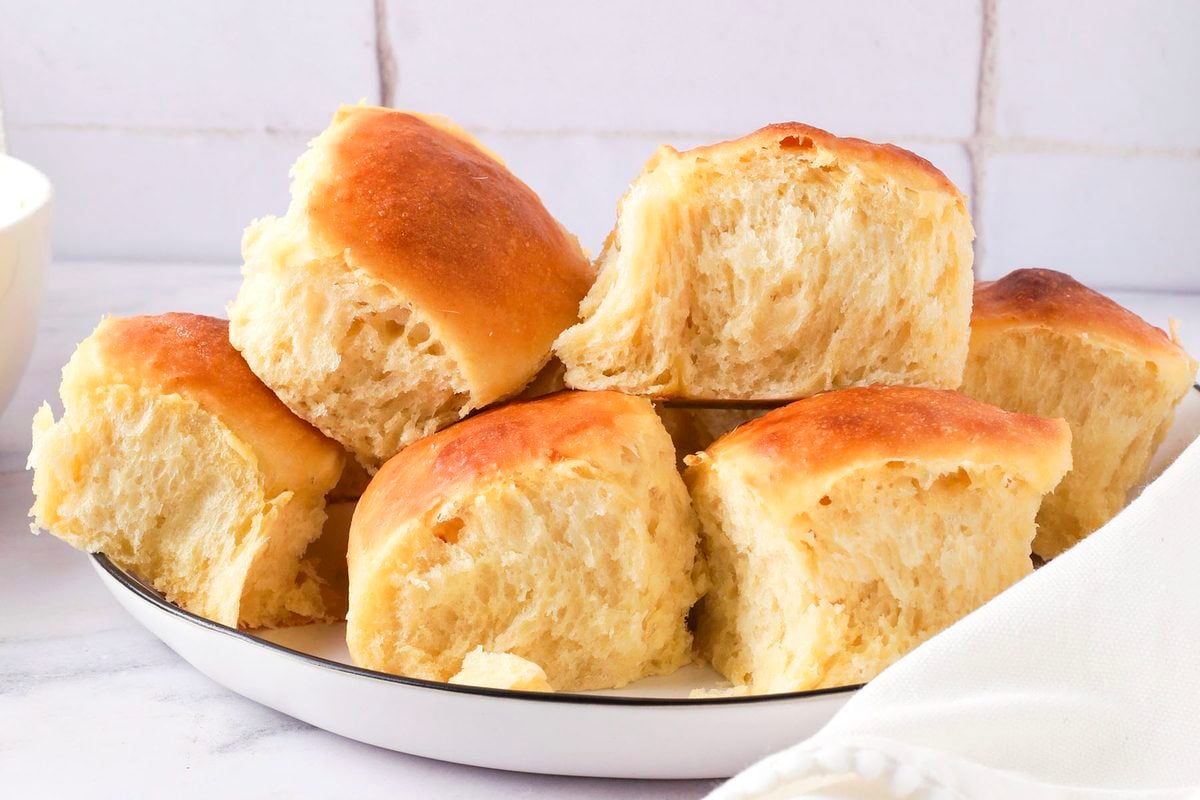
Buttermilk dinner rolls are soft, pillowy yeast rolls made with tangy buttermilk and a double dose of butter. What sets them apart is how the butter goes in: half is melted into the dough, and the other half is kneaded in after the gluten has developed, which gives you a tender, feathery, pull-apart crumb. They bake in just 15 to 18 minutes, and the dough can be refrigerated overnight or frozen, so you can have warm homemade rolls on the table even when you’re cooking for a crowd. A basket of warm rolls has been at the center of my holiday table for as long as I’ve been cooking, and this is the recipe I come back to every single year.
If you love baking with yeast, this dough is a richer, more tender cousin to my Soft Homemade Hamburger Buns. New to bread making? My Ultimate Guide to Homemade Bread walks you through kneading, proofing, and shaping step by step. And when you want that same tangy buttermilk flavor with no rise time at all, my Buttermilk Butter Swim Biscuits are ready in about 30 minutes.
Here’s Why You’ll Love this Buttermilk Dinner Rolls
Buttermilk is the secret to a better dinner roll. Its natural acidity gently relaxes the gluten in the dough, so the rolls bake up noticeably softer and more tender than rolls made with regular milk. It also adds a subtle tang that balances the butter and sugar, so every bite tastes rich without being heavy or overly sweet. Pair that with butter added in two stages, and you get golden, buttery tops and an interior so soft it practically melts when you tear a roll open.
These rolls were also made for big gatherings. The recipe uses simple pantry ingredients, comes together easily in a stand mixer, and gives you three make-ahead options: an overnight rise in the refrigerator, freezing the shaped dough, or baking and freezing the finished rolls. That means you can knock out the bread days before Thanksgiving, Christmas, or Easter and simply bake or warm them while the main dish rests.
Heather’s Expert Tips for the Best Buttermilk Dinner Rolls
With over 20 years of recipe development and my time co-founding a spice company, here’s what makes this recipe worth making exactly as written.
- Warm the buttermilk gently. Aim for 105 to 110°F. Buttermilk can look a little curdled as it warms, and that’s completely fine, but anything over 115°F can damage the yeast, so use a thermometer rather than guessing.
- Add the second half of the butter after kneading. Once the dough is smooth and elastic from the dough hook, add the room temperature butter one tablespoon at a time. The gluten network is already built, so the butter coats it instead of interfering with it, which is what gives these rolls their feathery, brioche-like texture. The dough will look greasy and messy at first; keep the mixer running and it will come back together in a few minutes.
- Shape tight balls for a tall rise. Pull the edges of each piece underneath and roll it against the counter with a cupped hand until the surface is taut. Tight shaping traps gas and gives you high, domed rolls instead of flat ones.
- Bake by temperature, not just time. The rolls are done when the tops are deep golden and the center reads 190°F on an instant-read thermometer. Pulling them a minute early is the most common reason for gummy centers.
- Season the tops. After years of building Spiceology and testing seasonings on just about everything, I can’t resist brushing hot rolls with melted butter and finishing them with flaky salt or a garlic herb blend. It takes 30 seconds and makes them taste like they came from a bakery.
The Maillard Reaction
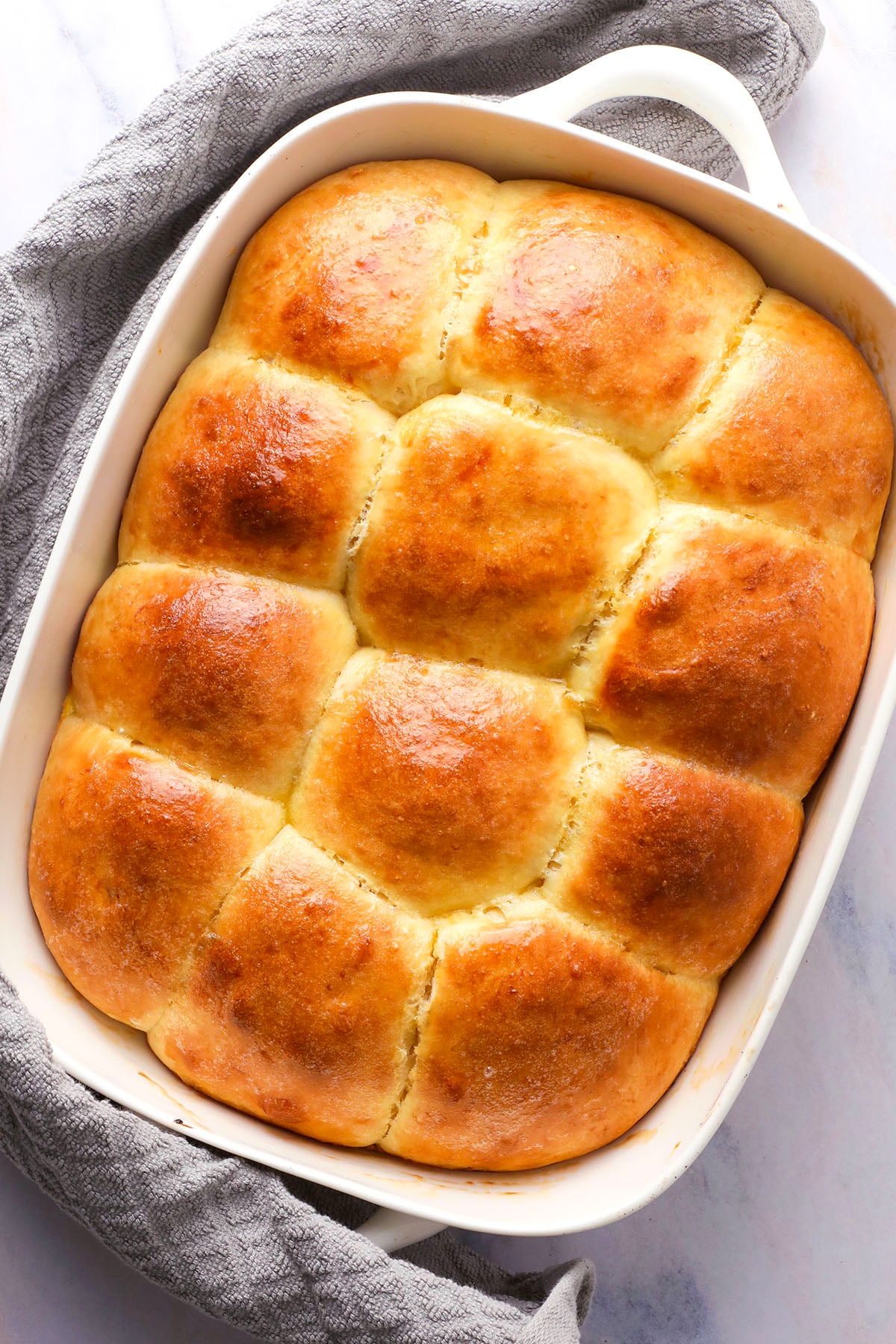
Those glossy, golden brown tops are the Maillard reaction at work. When the surface of the dough heats past roughly 280°F, amino acids from the proteins react with sugars to create hundreds of new flavor and aroma compounds, along with that beautiful brown color. It’s the same reaction that gives a seared steak its crust and toast its toasty flavor, and it’s why a well-browned roll tastes so much richer than a pale one.
This dough is built to brown beautifully. Buttermilk brings milk proteins and lactose, the egg adds even more protein, and the sugar gives the reaction plenty of fuel, so the rolls develop deep color in a short 15 to 18 minute bake at 375°F. If your oven runs hot and the tops are browning too fast before the centers hit 190°F, tent the pan loosely with foil for the last few minutes.
Equipment Needed
- Stand mixer with dough hook
- Instant-read thermometer
- Kitchen scale
- Bench scraper
- 9×13 baking pan
- Pastry brush
- Large mixing bowl
Buttermilk Dinner Rolls Ingredients
- Buttermilk – warmed buttermilk (or whole milk) gives these rolls a tender crumb and a delicious flavor
- Active dry yeast – gives the rolls loft and lightness. See recipe variations below for instructions on how to use instant yeast.
- Sugar – white granulated sugar or honey helps activate the yeast
- Butter – melted butter is added with the wet ingredients, and room temp butter is dropped in during the kneading process to give these rolls a glossy exterior
- Egg – adds a beautiful golden color to the rolls
- Flour – all-purpose flour is used in this recipe. For whole wheat, see recipe substitutions below
- Salt – adds flavor to the rolls. Sprinkle with flakey sea salt or Maldon salt after baking for extra deliciousness
Recipe Variations & Substitutions
- Honey buttermilk rolls: Swap the sugar for 2 tablespoons of honey for a softer sweetness and even more golden browning.
- Garlic herb rolls: Knead 1 teaspoon of garlic powder and 1 tablespoon of chopped fresh herbs like rosemary, thyme, or chives into the dough, then brush the baked rolls with garlic butter.
- Partial whole wheat: Replace up to 1 cup of the all-purpose flour with white whole wheat flour for a nuttier flavor. Add a splash more buttermilk if the dough feels stiff.
- No buttermilk on hand: Stir 1 tablespoon of lemon juice or white vinegar into 1 cup of milk and let it sit for 5 minutes before warming.
- Instant yeast: Use the same amount of instant yeast, skip the proofing step, and mix it right in with the flour. Expect the first rise to finish a little faster.
How to Store, Freeze, and Reheat
- Store: Keep cooled rolls in an airtight container or zip-top bag at room temperature for up to 2 days.
- Overnight make-ahead: Shape the rolls, place them in the pan, cover tightly, and refrigerate for up to 18 hours. Let them sit at room temperature for 1 to 2 hours until puffy, then bake as directed.
- Freeze unbaked: Freeze shaped dough balls on a sheet pan until firm, then transfer to a freezer bag for up to 1 month. Arrange in a greased pan, thaw overnight in the refrigerator, let rise at room temperature until puffy, and bake.
- Freeze baked: Cool the rolls completely, wrap the whole slab tightly in plastic wrap and foil, and freeze for up to 3 months. Thaw at room temperature still wrapped.
- Reheat: Warm rolls wrapped in foil at 350°F for 8 to 10 minutes, then brush with a little melted butter to bring back that fresh-baked shine.
What to Serve with Buttermilk Dinner Rolls
- Vin Rouge Pot Roast: Tear a roll open and drag it through that rich red wine braising liquid.
- Asian Apricot Spiral Ham: A holiday centerpiece that doubles as next-day ham sliders on leftover rolls.
- Smoked Spatchcock Turkey: Smoky, juicy turkey and warm rolls are a Thanksgiving match.
- Lemon Herb Roasted Cornish Hens: An elegant dinner party main that still feels like home cooking.
- Split Pea Soup: A hearty weeknight bowl that begs for something buttery on the side.
- The Best Chili Recipe: Game day, potlucks, or a snowy Sunday, rolls and chili always disappear fast.
Frequently Asked Questions
Buttermilk makes dinner rolls softer, more tender, and more flavorful than regular milk. Its mild acidity relaxes the gluten for a finer, more delicate crumb, and its tang balances the richness of the butter. The milk proteins and natural sugars also help the tops brown to a deep golden color.
Yes. Shape the rolls, cover the pan tightly, and refrigerate for up to 18 hours. On the day of your gathering, let them rise at room temperature for 1 to 2 hours until puffy, then bake at 375°F for 15 to 18 minutes so they come out of the oven fresh and warm.
This recipe makes 12 rolls in a 9×13 pan. For a big holiday crowd, make two separate batches rather than one double batch, since 6 cups of flour plus a full stick of extra butter can overwork many home stand mixers. Bake the pans one at a time or on separate racks, rotating halfway through.
Yes, unbaked rolls freeze well for up to 1 month. Freeze the shaped dough balls on a sheet pan, transfer them to a freezer bag, and when you’re ready to bake, thaw them in a greased pan in the refrigerator overnight before the final rise.
Adding half the butter after kneading lets the gluten develop fully first, which gives the rolls structure and a tall rise. The softened butter then enriches the dough without weakening it, creating a pillowy, feathery texture similar to brioche. If you add all the butter up front, the rolls tend to be denser.
Day-old rolls are perfect for turning into something new. Cube them for my Sausage and Caramelized Onion Stuffing, or tear them into a sweet Apple Cinnamon Bread Pudding. They also make excellent slider buns for leftover holiday ham or turkey.

If you like this recipe, try:
Buttermilk Dinner Rolls

Recommended Tools
- Stand mixer with dough hook
- Kitchen scale
- Bench scraper
- 9×13 baking pan
Ingredients
- 1 cup buttermilk, warmed to 105 to 110°F
- 2 ½ tsp active dry yeast
- 2 tbsp sugar
- 4 tbsp butter, melted and slightly cooled
- 1 large egg
- 1 tsp salt
- 3 cups all-purpose flour
- 4 tbsp butter, room temperature, plus more for brushing warm rolls

Instructions
- Stir the warm buttermilk, sugar, and yeast together in the bowl of a stand mixer. Let it sit 5 to 10 minutes until foamy.
- Add the melted butter, egg, and salt. Add the flour and mix on low with the dough hook until a shaggy dough forms.
- Knead on medium-low for 5 to 6 minutes until smooth and elastic.
- With the mixer running, add the room temperature butter 1 tablespoon at a time. Knead 4 to 5 minutes until it is fully absorbed and the dough is smooth and slightly tacky.
- Transfer to a greased bowl, cover, and let rise in a warm spot for 60 to 90 minutes, until doubled.
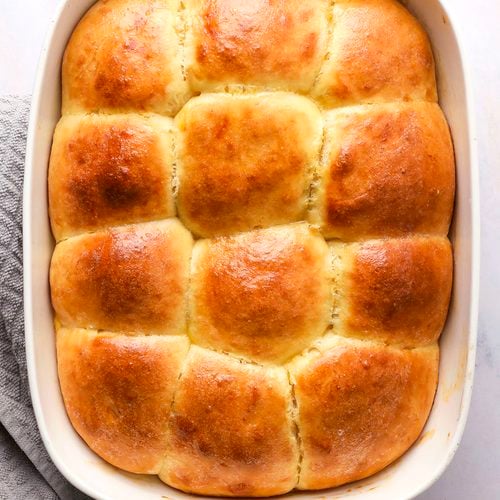
- Divide into 12 equal pieces, shape into tight balls, and arrange in a greased 9×13 pan.
- Cover and let rise 30 to 45 minutes, until puffy and touching.
- Bake at 375°F for 15 to 18 minutes, until deep golden and 190°F in the center. Brush with melted butter and sprinkle with flakey salt, if desired.
Notes
Did you make this recipe?
Please leave a star rating and review . I appreciate your feedback, and it helps others too!
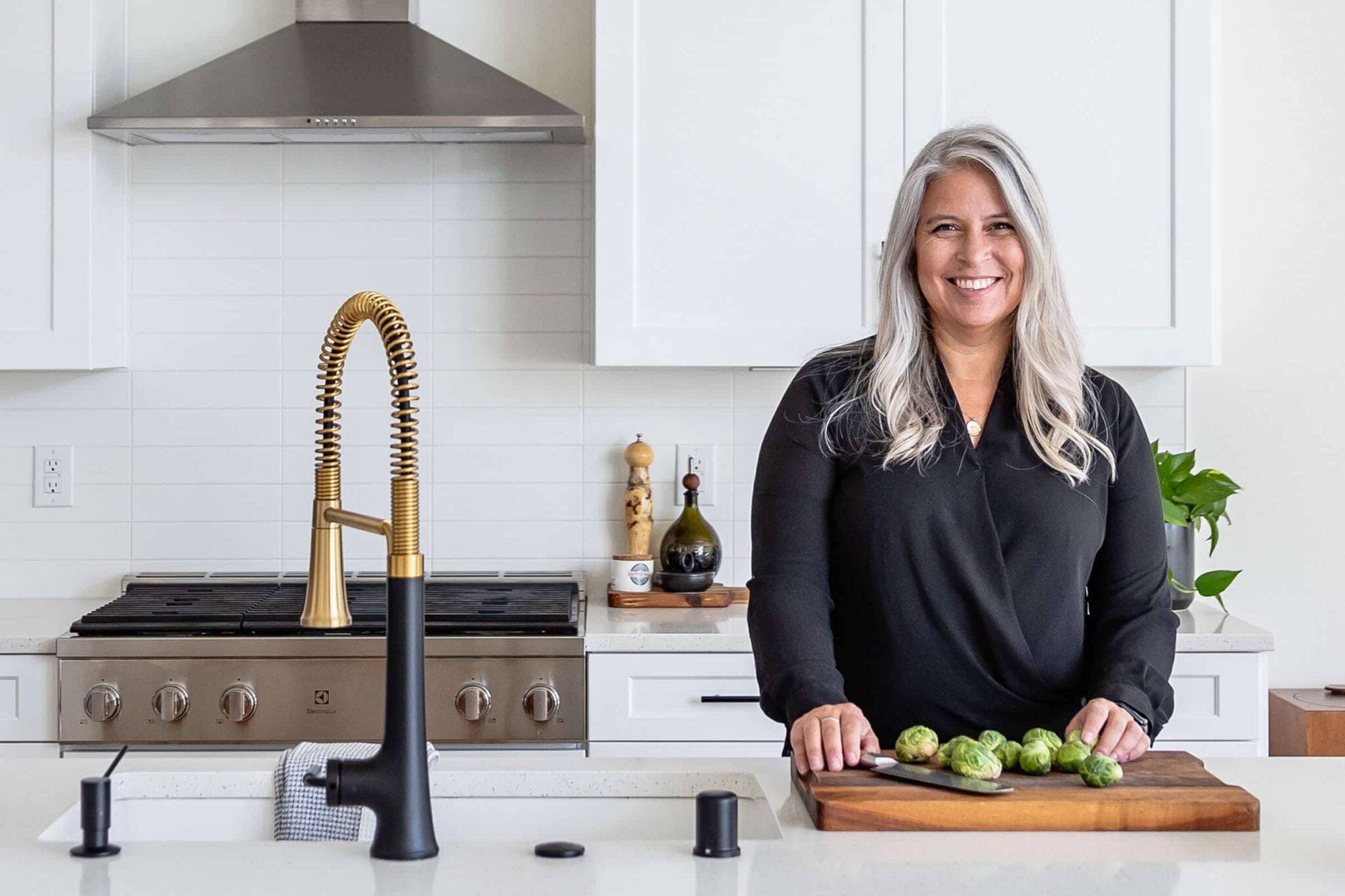
Hi! I’m Heather
I’m Heather, a recipe developer and content creator based in Vancouver, Washington. I started Farmgirl Gourmet in 2006 because I believed weeknight dinners shouldn’t be boring and gourmet shouldn’t mean complicated. I’m also the co-founder of Spiceology, so safe to say I think about food for a living. Stick around for recipes that actually make it into your regular rotation.