


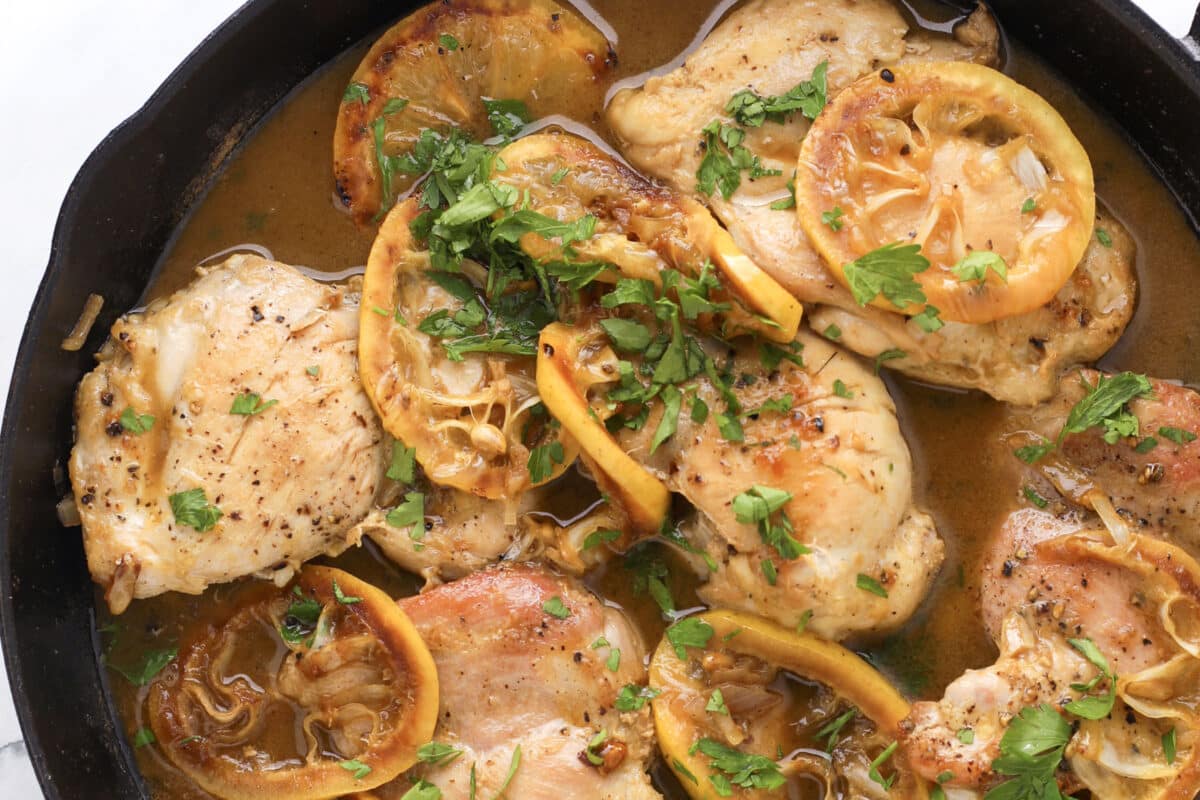
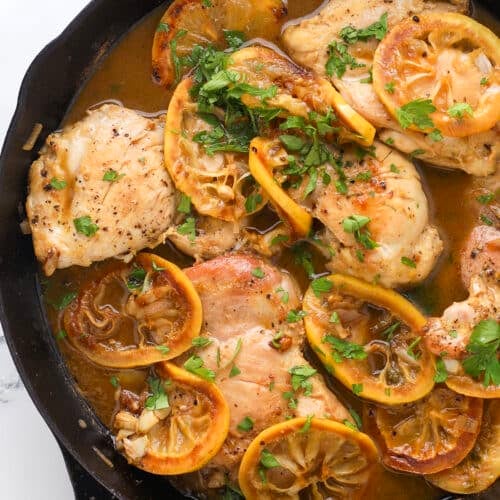
One pan chicken piccata has never tasted like this. This charred lemon chicken piccata swaps the usual thin-pounded breasts for boneless skinless chicken thighs, builds a deeply savory white wine and chicken stock pan jus, and throws caramelized, smoky charred lemons into the mix for a brightness that raw lemon juice simply cannot replicate. It is the kind of family-friend weeknight dinner that looks and tastes like you spent the whole afternoon on it, which is your little secret.
The magic here lives in that pan. Everything happens in one skillet, which means every fond, every charred lemon bit, and every caper goes straight into the sauce. If you love easy weeknight dinners that actually deliver, this one is going to earn a permanent spot in your rotation. Serve it over pasta, creamy polenta, or with a thick slice of crusty bread dedicated entirely to sauce duty.
In This Post
Why You’ll Love this Chicken Piccata
Classic piccata is already a winning combination of acid, brine, and butter. This version simply pushes those elements further. Charring the lemons cut-side down in the same pan you sear the chicken in caramelizes the natural fruit sugars and develops a slightly bitter, smoky edge that rounds out the sharp brightness of raw lemon juice. The result is a sauce that feels layered and complex without requiring any additional effort or ingredients.
Choosing chicken thighs over breasts also changes the game significantly. Thighs have more fat and connective tissue, which means they stay moist and juicy under pressure, including the pressure of an acidic pan sauce. They are forgiving by nature, so if they cook a minute or two longer than planned, you are still getting dinner and not a dry mistake.
Heather’s Expert Tips for the Best Chicken Piccata
Drawing from 20 years of recipe development and my time co-founding Spiceology, here’s what makes this recipe worth making exactly as written.
- Pat the chicken completely dry before it hits the pan. Moisture is the enemy of a proper sear. Dry chicken plus a hot, lightly oiled skillet equals the kind of golden crust that makes the whole dish worth making.
- Use a wine you would actually drink. Pinot Grigio and Sauvignon Blanc both work beautifully here. Avoid anything sweet, which throws the sauce out of balance. A dry wine brings acidity and structure.
- Do not rush the lemons. Press them cut-side down into the hot pan and leave them alone for a full 2 to 3 minutes. You are looking for deep golden-brown color, not a quick warm-up. That char is the whole point.
- Capers carry a lot of weight in this dish. Start with 2 tablespoons and taste as you go. They provide the briny backbone that makes piccata identifiable as piccata, so do not leave them out.
- Finish the sauce with cold butter off the heat. A tablespoon or two of cold butter swirled in at the end emulsifies the sauce and gives it that glossy, restaurant-quality texture that makes you want to pour it over everything.
Maillard Reaction
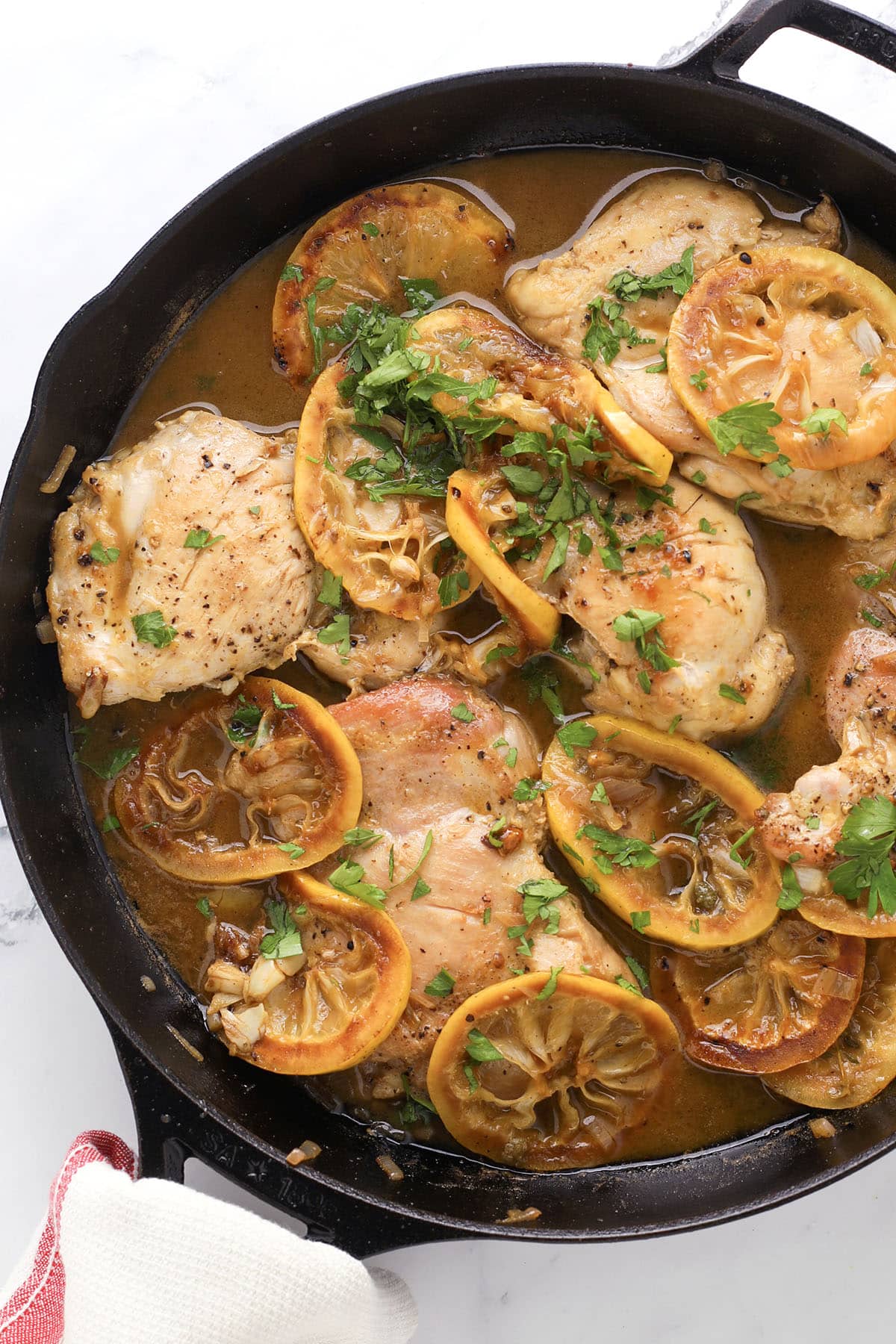
That golden-brown crust on the chicken is not just visual appeal. It is the result of the Maillard reaction, a chemical process that occurs when proteins and sugars in food are exposed to high heat, typically around 280 to 330 degrees Fahrenheit. At that temperature, hundreds of new flavor compounds form simultaneously, producing the savory, complex crust that raw or steamed chicken never achieves. It is the difference between food that smells like it came from a restaurant and food that just smells like food.
Chefs Tip
The Dual-Maillard Reaction. The chicken thighs develop their crust through direct contact with the hot skillet. Then the lemons go through their own version, with the natural fruit sugars on the cut surface caramelizing and charring into that bitter, smoky depth. What looks like a simple squeeze of lemon over chicken is actually a second layer of Maillard-driven flavor that transforms the entire pan sauce.
Ingredients for Chicken Piccata
- Boneless skinless chicken thighs – no pounding required, but if you sub chicken breasts, pound them to 2 inches thick
- Lemons – 2 large lemons, sliced
- Capers – rinsed and drained
- White wine – pick a crisp white like chardonnay or sauvignon blanc
- Chicken stock – homemade or store-bought
- Sugar – granulated white sugar helps caramelize the lemons.
- Garlic – fresh
- All-purpose flour – to thicken the sauce
- Shallot – 1 medium shallot minced
- Butter – adds a touch of richness to the dish
- Italian parlsey – for serving, optional
Recipe Variations & Add-Ins
- Chicken breasts: Boneless skinless breasts work fine here, but pound them to an even thickness of about three-quarters of an inch first and reduce the cook time slightly to keep them from drying out in the acidic sauce.
- No wine: Replace the white wine with an equal amount of chicken stock and add a small splash of white wine vinegar to maintain that bright, acidic backbone the sauce needs.
- Make it a full meal in the pan: Add a drained can of butter beans or a cup of cooked orzo directly to the sauce before returning the chicken to the pan for a complete one pan dinner.
- Herb swap: Flat-leaf parsley is traditional, but fresh thyme or tarragon are both excellent in this sauce and pair beautifully with the charred lemon.
- Add a little heat: A pinch of red pepper flakes added with the garlic gives the pan sauce a gentle warmth that plays very well against the brininess of the capers and the char of the lemons.
How to Store, Freeze, and Reheat
- Storing sauce separately: If you are making this for a dinner party, keep the sauce in a separate container from the chicken overnight. This prevents the chicken from absorbing all the liquid during storage.
- Refrigerator: Store leftovers in an airtight container for up to 3 days. The sauce will thicken as it cools, which is completely normal and expected.
- Reheating: Warm gently in a skillet over medium-low heat with a splash of chicken stock to loosen the sauce. The microwave works in a pinch, but it can make the chicken thighs rubbery if overheated.
- Freezer: The chicken freezes well for up to 2 months. The butter-based sauce may separate slightly when thawed, but a quick whisk over low heat brings it back together.
- Meal prep option: Sear the chicken and char the lemons ahead of time and refrigerate them separately. Build the pan sauce fresh right before serving for the best texture and flavor.
What to Serve with Chicken Piccata
Frequently Asked Questions
Chicken piccata is a classic Italian-American dish made with chicken cooked in a pan sauce of lemon, white wine, capers, and butter. This version uses boneless skinless chicken thighs instead of the traditional thin-pounded breast, and adds charred lemons for a smoky, more complex flavor.
Yes, and they are arguably a better choice than breasts. Chicken thighs are naturally fattier and more forgiving, so they stay juicy even with the acidic lemon sauce and tolerate a slightly longer cook time without drying out. They are ideal for this style of sear-and-simmer cooking.
Charring lemon slices or halves cut-side down in a hot pan caramelizes the natural fruit sugars on the surface and develops a smoky, slightly bitter depth that raw lemon juice does not have. It also softens the lemon, making it easier to squeeze every last drop of juice into the pan sauce for maximum flavor.
Use a dry white wine you would drink on its own, such as Pinot Grigio, Sauvignon Blanc, or an unoaked Chardonnay. Sweet wines will make the sauce cloying and unbalanced. If you prefer to skip the alcohol entirely, substitute additional chicken stock with a small splash of white wine vinegar.
Traditional piccata dredges the chicken in all-purpose flour before searing, which adds body to the sauce. To make this gluten-free, swap in a 1:1 gluten-free flour blend or use arrowroot powder. The results are very similar in texture and the sauce still comes together beautifully.
Chicken piccata is traditionally served over pasta, with angel hair or linguine being the most common choices. It is equally excellent over creamy mashed potatoes, polenta, or roasted cauliflower. Crusty bread on the side is non-negotiable if you take the pan sauce seriously, which you should.
More Chicken Recipes
- Honey Glazed Chicken Thighs
- Skillet Chicken Thighs with Sausage
- Spicy Chicken Thighs with Chorizo
- Grilled Chili Lime Chicken
- Buffalo Chicken Burgers
Charred Lemon Chicken Piccata Recipe

Recommended Tools
Ingredients
- 2 lemons, cut into rounds
- 2 tsp sugar
- 4 garlic cloves, smashed
- 6 boneless skinless chicken thighs, or breasts pounded 3/4 inch thick
- 1 tsp kosher salt
- 1 tsp black pepper
- 1 tbsp olive oil
- 2 tbsp butter
- 1 medium shallot, minced
- 1 tsp minced garlic
- 1 tsp all-purpose flour
- 2 thyme sprigs
- ½ cup dry white wine
- 1 cup chicken stock
- 1 tbsp capers, rinsed and drained
- 2 tbsp chopped italian parsley, optional
- cooked angel hair pasta, optional

Instructions
- Combine lemon slices, sugar and smashed garlic in a medium bowl. Set aside.
- Sprinkle chicken with half of the kosher salt and pepper. Heat a large skillet over medium-high heat. Add 2 tsp olive oil, swirl to coat. Add chicken to pan, cook 4 minutes per side, or until no longer pink. Set aside on a plate.
- Add 1 tsp olive oil to skillet, swirl to coat. Turn heat to high. Add lemon mixture and cook 2 minute, until lemon is slightly charred, turning occasionally. Return to bowl.
- Turn heat down to medium. Add 1 1/2 tsp butter to skillet and swirl until melted. Add shallot and minced garlic and saute for 1 minute. Sprinkle with flour and stir to combine. Add thyme sprigs and wine, scraping skillet to loosen browned bits. Bring to a boil, cook 3 minutes or until liquid is almost evaporated. Add chicken stock and remaining salt, simmer until reduced by half, about 3 minutes.
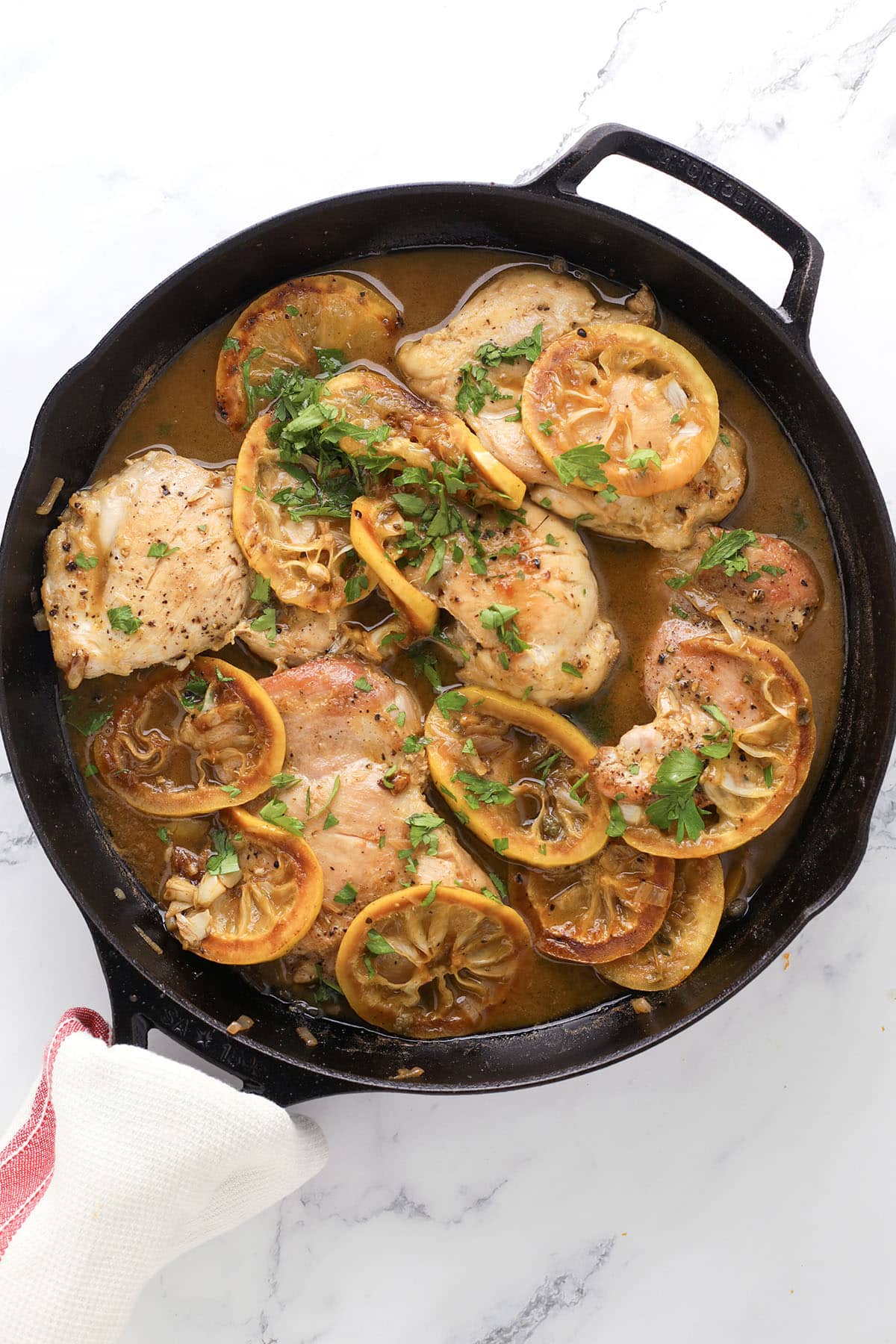
- Remove pan from heat, discard herb sprigs, stir in remaining butter and capers, stirring until melted. Return chicken and accumulated juices to the pan and turn to coat in sauce. Top with lemon mixture. Sprinkle with chopped parsley and serve immediately.
- Serve over hot cooked angel hair pasta or mashed potatoes.
Save this Recipe!
Easily save this recipe to your own recipe collection box and come back to it anytime you want!
Nutrition
*Nutritional information is not guaranteed to be accurate.
Did you try this recipe?
Please Leave a Review & Star Rating!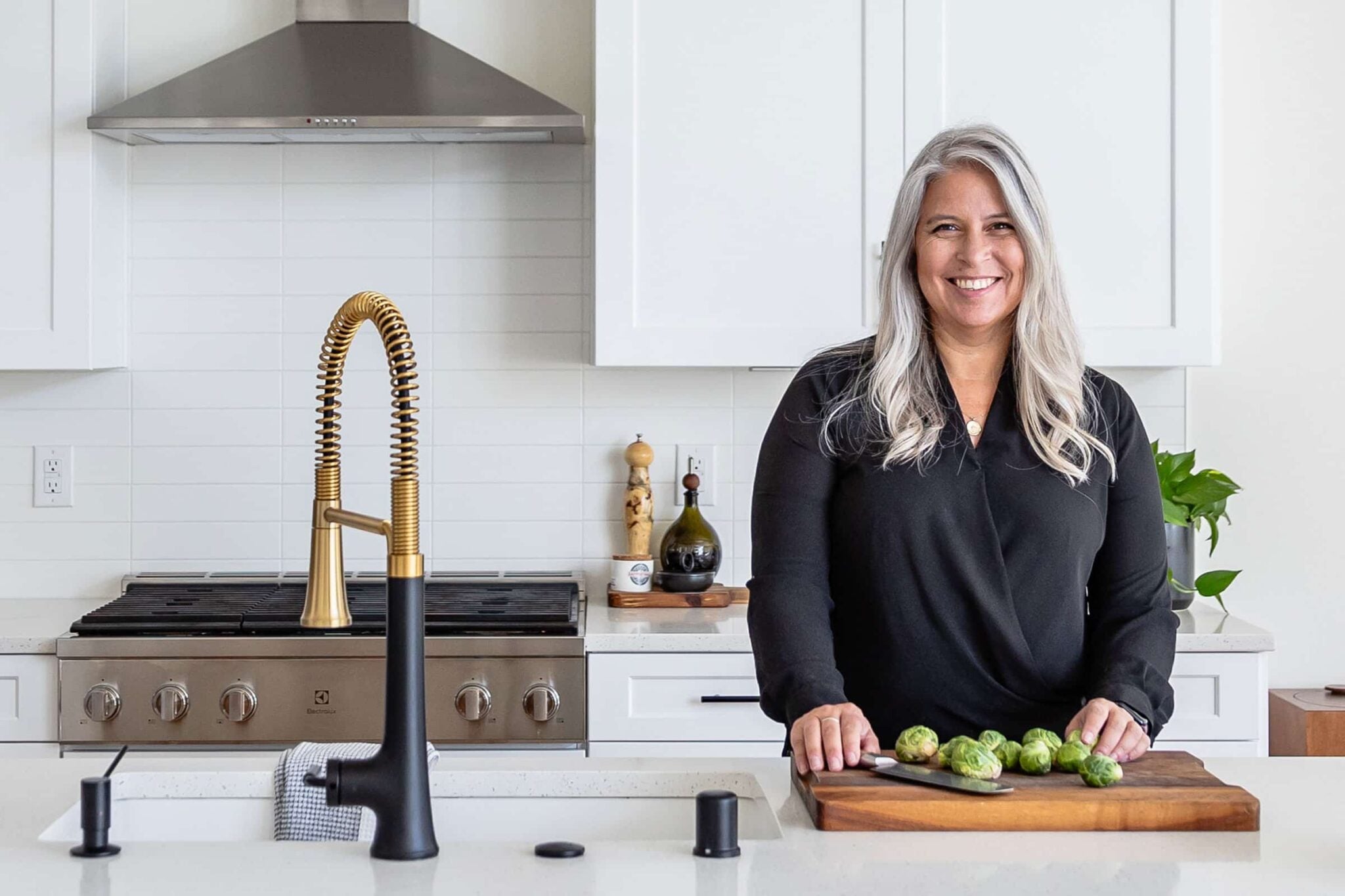
Hi! I’m Heather
I’m Heather, a recipe developer and content creator based in Vancouver, Washington. I started Farmgirl Gourmet in 2006 because I believed weeknight dinners shouldn’t be boring and gourmet shouldn’t mean complicated. I’m also the co-founder of Spiceology, so safe to say I think about food for a living. Stick around for recipes that actually make it into your regular rotation.
This was super simple to make and really tasty.