


How Much Can I Earn as a Food Blogger?
From $1,000 in year one to seven figures for the seasoned pro – a veteran food blogger breaks down what you can earn and how to get there.

This post may contain affiliate links.
Earning money as a professional food blogger is 100% possible, but the range between “beer money” and “seven figures” is wider than most people expect, and what lands you at the top of that range has everything to do with hustle, strategy, and refusing to work for free. I started Farmgirl Gourmet back in October 2006, before food blogging was even a business model. There were no ad networks, no brand deals, no courses promising passive income. There was just a love of food, a camera, and an audience slowly showing up. What came after that taught me everything I know about turning a blog into real, lasting income.
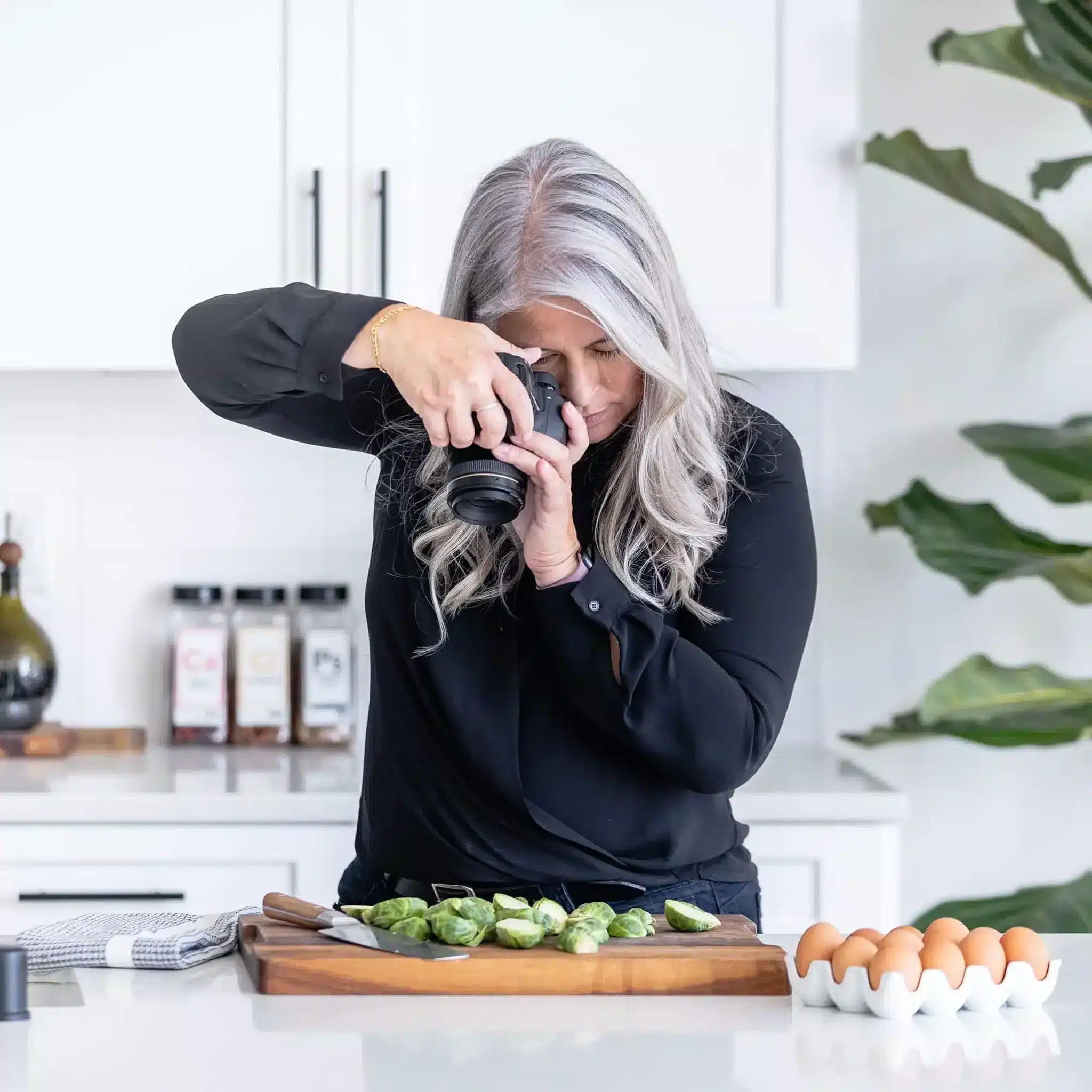
If you’re serious about making money from a food blog, here’s my honest take on what it actually looks like.
The Harsh Truth About Year One
When I started blogging, monetization wasn’t even part of the conversation. Bloggers wrote because they loved it. That purity is actually something I think newer bloggers miss out on, because the obsession with income from day one can derail the thing that actually builds income: great content and a loyal audience.
That said, year one is rarely a windfall. A realistic income range for a food blogger in their first year is somewhere between $1,000 and $20,000, and that gap is almost entirely determined by how hard you work and how smart you are about the strategies you choose. Someone who posts twice a week, shows up consistently on social media, and treats their blog like a business from the start will always outpace someone who posts when inspiration strikes and hopes the algorithm does the heavy lifting.
The first step most bloggers take to start earning? Ad networks.
Ad Networks: The Easiest On-Ramp to Revenue
Google AdSense was one of the first accessible ways food bloggers could flip their traffic into income, and it remains one of the most beginner-friendly options. You write content, people read it, ads run, and you earn. Simple.
As your traffic grows, you can graduate to premium ad networks like Mediavine or Raptive (formerly AdThrive), which pay significantly higher RPMs (revenue per thousand pageviews). This is where ad revenue starts to feel like real money.
The important thing to understand about ad income is that it is a traffic game. The more eyeballs on your content, the more you earn. This is why SEO, consistency, and social media are not optional extras for a food blogger. They are the entire strategy.
Brand Deals: The Fast Lane to Bigger Checks
Once you have an engaged audience, brand partnerships become one of the most exciting income streams available. A brand deal can be a one-off sponsored post, a recipe development project, or a long-term yearly contract where a brand pays you to be an ongoing ambassador for their products.
Yearly contracts in particular are where the income gets interesting. When a brand commits to working with you across multiple months and multiple deliverables, you’re no longer chasing one-off payments. You have predictable income, which changes the way you run your business.
My advice: know your worth before you walk into any negotiation. Your content, your audience, your engagement, and your photography are all part of the value you bring. Price accordingly.
The Dead End: Posting for Product
I want to say this as clearly as possible, because new bloggers fall into this trap constantly. Do not post in exchange for product alone.
If a brand wants to send you their olive oil, their air fryer, or their fancy cheese in exchange for a blog post and social coverage, that is not a brand deal. That is free labor dressed up as an opportunity. The product doesn’t pay your hosting fees. It doesn’t pay for your time developing, shooting, and writing the recipe. It does not count as income.
I’ve been doing this long enough to say with confidence: the brands that respect creators pay them. If the budget “isn’t there” for a gifting campaign, the budget isn’t there for your time either. Move on.
What Experienced Bloggers Actually Earn
Here’s the number people really want to know: experienced food bloggers who consistently create captivating content, maintain a strong social following, and treat their blog like the business it is can earn seven figures through a combination of ad revenue and brand deals.
That’s not a fantasy. That’s what happens when you build real traffic, real authority, and real relationships with brands over time.
The path there isn’t glamorous. It’s posting when you don’t feel like it. It’s testing what resonates and doubling down on it. It’s building systems so that content creation doesn’t depend on your mood or your schedule cooperating. There is no version of seven-figure food blogging that doesn’t involve a serious, sustained commitment to the work.
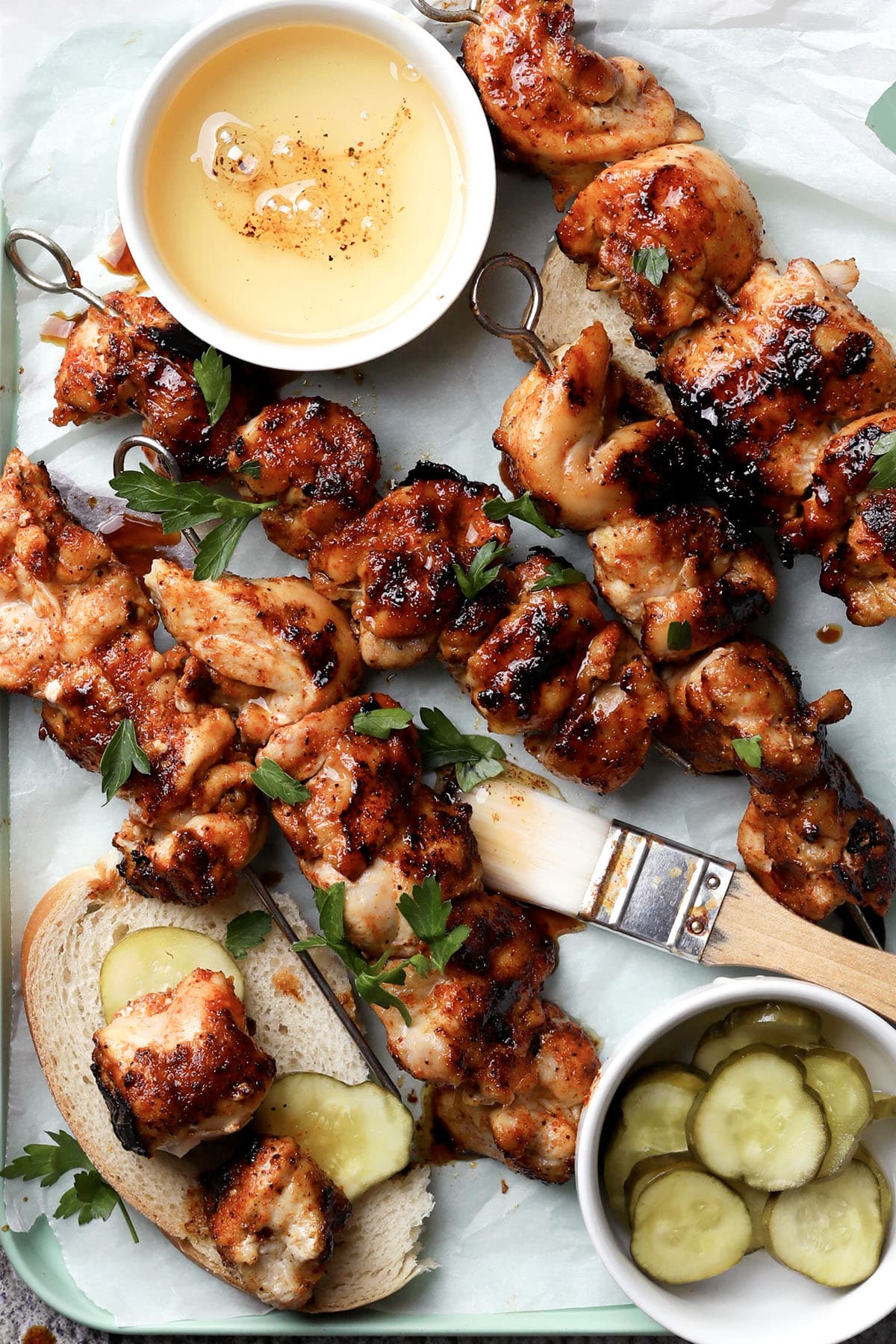
The Doors Your Blog Can Open Beyond Blogging
One thing I didn’t fully anticipate early on is how food blogging can become a launchpad for skills and opportunities that go well beyond recipe posts and ad revenue.
If you develop strong photography skills through your blog, other food bloggers will pay you to shoot for them. If you get good at social media strategy, you can work as a part-time virtual assistant for other content creators. These are real income streams that come directly from the expertise you build while running your own blog.
As for launching your own product line, I’ll give you the honest version: I co-founded Spiceology in 2013, and it grew quickly because the timing was right to disrupt a stale industry. It was a success, but it came at a cost. Building that business took me away from food blogging for ten years. There was no doing both at the same time. A product launch is a massive risk and an enormous time commitment, and not every launch is easy or lasting. If you’re considering it, go in with eyes open and a real plan.
The One Thing Bloggers Consistently Underestimate
The hustle.
New bloggers often imagine a version of this career where good content eventually finds its audience and the income follows naturally. Sometimes that happens. More often, the bloggers who succeed are the ones who show up relentlessly, whether or not they feel inspired, whether or not the last post performed the way they hoped.
Posting consistently for new recipes and showing up on social media is a non-negotiable if you want to grow. The algorithm rewards consistency. Your audience rewards consistency. Brands notice consistency. You have to build a system and protect it, not waver from it when life gets busy or motivation dips.
The good news is that the system gets easier once it’s built. The first year is the hardest, because you’re building the habit and the infrastructure at the same time. Once the wheels are turning, momentum does a lot of the work for you. But you have to get there first.
Frequently Asked Questions
Most bloggers see their first meaningful income within the first six to twelve months, especially if they start with an ad network early. Significant income, the kind that replaces or supplements a full-time salary, typically takes two to three years of consistent work.
Not necessarily, but a strong and engaged social presence accelerates everything. It makes you more attractive to brands, drives traffic to your site, and builds the kind of community that turns casual readers into loyal fans.
For most established bloggers, it’s a combination of ad revenue and brand deals working together. Ad revenue scales with traffic over time. Brand deals can inject significant income quickly. Together, they create a business that has both stability and upside.
No. The food content space is competitive, but there is always room for a distinct voice with a clear niche and a commitment to quality. The bloggers who struggle are the ones who try to be everything to everyone. Find your lane and own it.
Yes, and beyond. Six figures is achievable for bloggers with solid traffic, strong SEO, and active brand relationships. Seven figures is possible for those who build a large, loyal audience and treat the business side of blogging with the same seriousness as the creative side.
Final Thoughts
Food blogging is one of the most genuinely exciting creative businesses you can build, but it is a business. The income potential is real, the ceiling is high, and the path there is paved with consistency, strategy, and the willingness to say no to opportunities that don’t value your work.
If you’re willing to do the work, build the systems, and play the long game, the numbers can get very interesting.
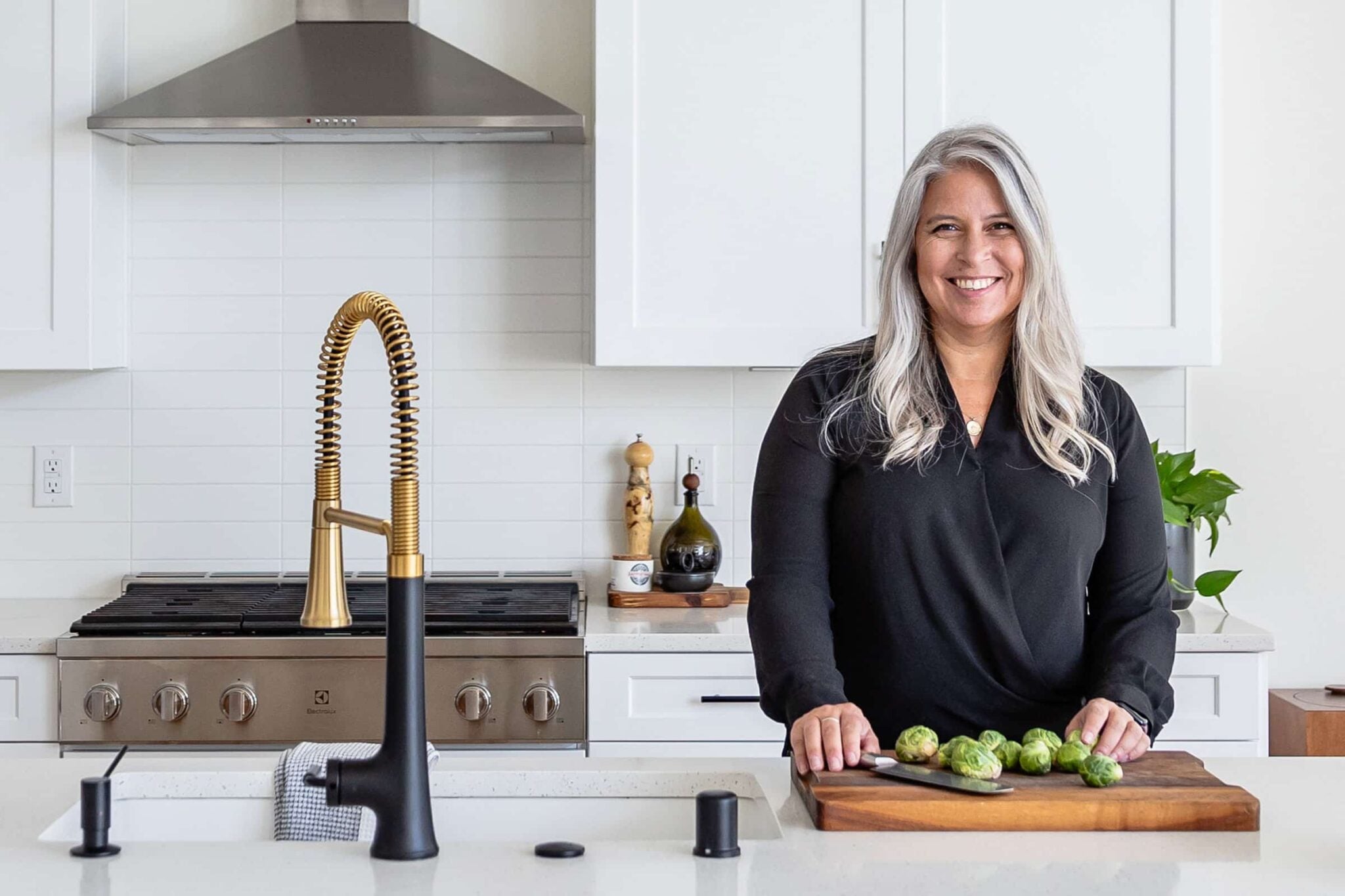
Hi! I’m Heather
I’m Heather, a recipe developer and content creator based in Vancouver, Washington. I started Farmgirl Gourmet in 2006 because I believed weeknight dinners shouldn’t be boring and gourmet shouldn’t mean complicated. I’m also the co-founder of Spiceology, so safe to say I think about food for a living. Stick around for recipes that actually make it into your regular rotation.